Alexa Script: The Handwritten Font for Authentic Branding
There's a reason certain design assets feel timeless while others fade into the background noise of trends. It comes down to character—genuine, unmistakable personality that speaks before a single word is read. Alexa Script is one of those rare finds. This handwritten font carries an elegance that feels both personal and polished, making it a standout choice for anyone building a brand identity, designing a logo, or crafting visual content that needs to feel human.
Understanding the Visual Character of Alexa Script
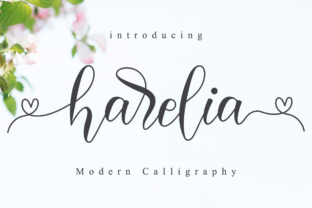
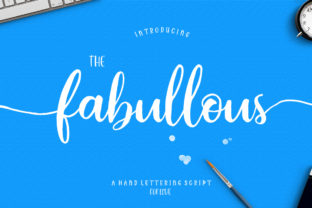
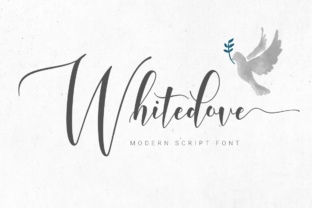
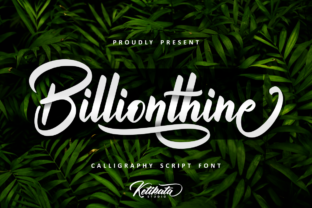
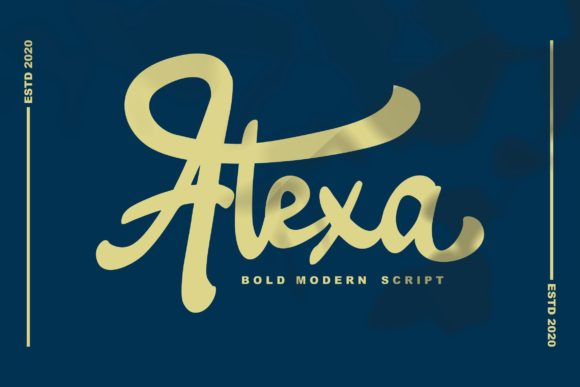
At its core, Alexa Script is a flowing, connected script font with the warmth of genuine handwriting. Each letterform features organic strokes—slightly varied in weight, with natural curves and subtle flourishes that give the typeface its distinctive charm. It doesn't mimic hurried penmanship or rough chalk lettering. Instead, it strikes a balance: refined enough for professional applications, yet relaxed enough to feel approachable and real.
What sets this premium font apart from countless other script options is the consistency of its rhythm. The letters connect smoothly, creating a visual flow that guides the eye across words and phrases without jarring interruptions. The lowercase characters have a gentle slant and rounded terminals, while the uppercase letters bring more dramatic swashes and entry strokes. This combination gives designers flexibility—use it for short, punchy statements or longer phrases without losing cohesion.
The overall personality of Alexa Script leans romantic but not saccharine. It suggests creativity, warmth, and authenticity. Think of the difference between a mass-produced greeting card and one written by hand by someone who genuinely cares. That's the emotional territory this typeface occupies.
Where Alexa Script Truly Shines
Not every display font works everywhere, and that's perfectly fine. Knowing where a font performs best is what separates thoughtful design from guesswork. Alexa Script excels in applications where personality, emotion, and visual impact matter more than dense body text.
Logo design is perhaps the most natural home for this font. A logo needs to be memorable, and the distinctive letterforms of Alexa Script create instant visual recognition. For boutique businesses, lifestyle brands, wedding vendors, beauty products, artisan goods, and creative studios, this font communicates exactly the right tone. Pair it with a clean sans serif font for supporting text, and you have a versatile brand identity system that works across multiple touchpoints.
Beyond logos, consider packaging design. On product labels, gift tags, and box designs, the handwritten quality of Alexa Script adds a tactile, artisanal feel that resonates with consumers looking for something special. A coffee roaster, a candle maker, or a skincare line could use this font to signal craftsmanship and care without saying a single word about those values.
In the digital space, Alexa Script works beautifully for social media graphics, blog headers, email banners, and website hero sections. It catches attention in fast-scrolling environments because it looks different from the geometric sans serifs and rigid serifs that dominate most feeds. Used sparingly—a headline here, a pull quote there—it creates visual interest and breaks up the monotony of standard web typography.
Editorial design also benefits from this kind of creative font. Magazine feature titles, cookbook chapter headings, blog post graphics, and newsletter mastheads all become more engaging with a script font that feels alive. The key is restraint. Alexa Script works best at larger sizes where its details can breathe, not crammed into 10-point captions.
For personal projects—think wedding invitations, party decorations, custom stationery, scrapbooking, and quote prints—this font is a natural fit. It brings the handmade aesthetic that crafters and hobbyists love, without requiring actual calligraphy skills. The polished quality of a professional script font elevates DIY projects into something that looks genuinely impressive.
Pairing, Readability, and Practical Considerations
One of the most common questions about any handwritten font is how to pair it effectively. Alexa Script works best alongside typefaces that provide contrast without competition. A geometric sans serif font like Montserrat or Poppins offers clean, structured letterforms that complement the organic flow of the script. Alternatively, a classic serif font like Playfair Display or Lora can create an elegant, editorial pairing that feels sophisticated.
The principle is straightforward: let Alexa Script be the star of headlines, logos, and accent text, then use your secondary typeface for body copy, subheadings, and functional elements like navigation or captions. This creates clear visual hierarchy and ensures your design remains readable and professional.
Speaking of readability, this is where honest assessment matters. Like most script and display font options, Alexa Script is not designed for long paragraphs or small sizes. At 14 points or below, the connecting strokes and flourishes can blur together, making words harder to parse. Reserve it for situations where impact outweighs information density—titles, short phrases, single words, and accent elements.
Before committing to any commercial font, it's worth testing it with your actual content. Type out the specific words and names you'll use. Check how letters connect in your brand name. Look at the spacing between particular letter combinations. Some script fonts struggle with certain pairings—like "ol" or "br"—where connections feel awkward. A few minutes of testing saves hours of frustration later.
Also review what's included with the font file. Many premium font packages come with alternate characters, ligatures, and stylistic sets that add variety. Alexa Script may offer different versions of key letters, giving you more control over the final look. These alternates can be the difference between a design that feels generic and one that feels custom.
Licensing is another practical detail that deserves attention. If you're using Alexa Script for client work, merchandise, or commercial products, verify that the license covers those applications. Most reputable font marketplaces offer clear commercial font licensing terms, but it's your responsibility to confirm before a project goes to print or goes live.
Making the Most of a Distinctive Typeface
The best use of Alexa Script happens when designers treat it as a strategic choice rather than a decorative afterthought. Ask yourself what emotion your project needs to convey. If the answer involves warmth, creativity, elegance, or personal connection, this font deserves serious consideration.
Think about modern typography trends you see in successful brands. The ones that feel most authentic often mix type styles thoughtfully—a bold sans serif for authority, a script for personality, a simple body font for clarity. Alexa Script fills that personality role perfectly, giving your designs a human touch that purely geometric fonts simply cannot replicate.
For small business owners building their first brand identity, this font offers an accessible way to look polished and intentional. For experienced designers and marketers, it's a reliable addition to a growing library of design assets—the kind of creative font you reach for again and again when a project calls for something with genuine character.
Ultimately, good typography is about communication. Alexa Script communicates care, creativity, and authenticity. When used thoughtfully, it doesn't just decorate your designs—it transforms how people feel about your brand.